This is a first draft. We have not printed restaurant names or prices as fact. Anything that still needs a visit, a menu check or a receipt is marked [To verify].
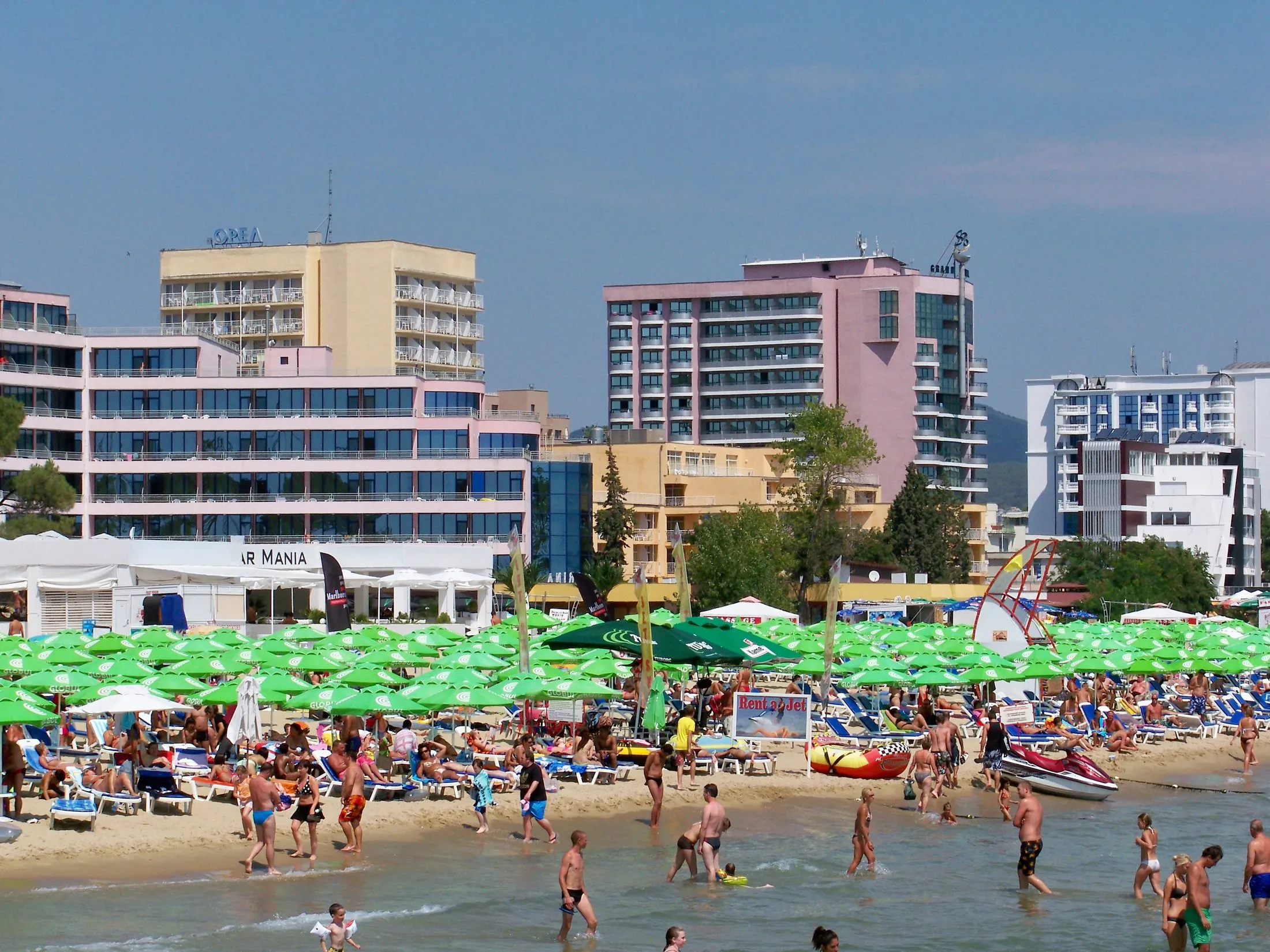
If you only eat on the Sunny Beach promenade, you can spend a week here and never quite eat in Bulgaria. The seafront is built to be readable in a hurry: pizza, pasta, grilled meat, frozen cocktails, a photo of a breakfast skillet. Some of those kitchens are fine. Almost none of them are why you would come back.
Actual Bulgarian food is not obscure, and it is not a performance. It is shopska salad, grilled kebapche and karnache, beans in a clay pot, sarma, banitsa in the morning, a fish that was landed nearby, a tarator when the afternoon is too hot for soup that is hot. The good versions are usually found where the staff are not standing in the road.
How to tell a tourist menu from a kitchen
A few signs, none of them foolproof on their own:
- The menu is a laminated book of photographs, in five languages, with the same dishes you saw three doors down.
- Prices are missing, or there is a “catch of the day” with no number next to it.
- Someone is in the street, touching your elbow, talking about a welcome shot.
A better sign is quieter. A short menu. A lunch trade that includes people who are clearly not on a seven-day package. A dish that would be odd to invent for tourists — a slow stew, a seasonal salad, a grilled fish listed as a fish, not as “Admiral’s platter”. [To verify] with current examples once we have them.
We will not invent a shortlist to make this article look finished. When we have eaten somewhere we would defend, it will go in a named list, with a price we actually paid and the month we paid it.
What to order when you get there
A few dishes turn up honestly across this coast, and they are a reasonable way to judge a kitchen:
Shopska salad. Tomato, cucumber, peppers, onion, a generous amount of sirene on top. If the cheese is a thin afterthought and the tomatoes have no taste, the rest of the menu is unlikely to be a surprise.
Tarator. Cold yoghurt soup with cucumber and dill. In August it is often the most sensible thing on the table.
Kebapche and karnache. Grilled minced meat, usually with mustard and a bit of bread or fries. This is everyday food. It should taste of the grill, not of a freezer bag.
Banitsa. Layers of pastry and cheese, bought in the morning from a bakery rather than as a dessert. A useful breakfast, and a useful test of whether anyone nearby is baking for locals.
Fish. On this stretch of the Black Sea, a simple grilled or fried fish with a salad is often a better order than a seafood pile with a ceremonial name. Ask what came in. If the answer is vague, order something else.
Kapama, kavarma, bob chorba, sarma. The slower dishes. More common inland and in towns than on a beachfront lunch menu, and worth seeking out if you want a meal that is not grilled meat and chips. [To verify] who is actually cooking them near the resort this season.
Portions on this coast are often large. It is normal to share salads. It is also normal for bread to appear without you asking; check whether it is on the bill.
Leave the front row
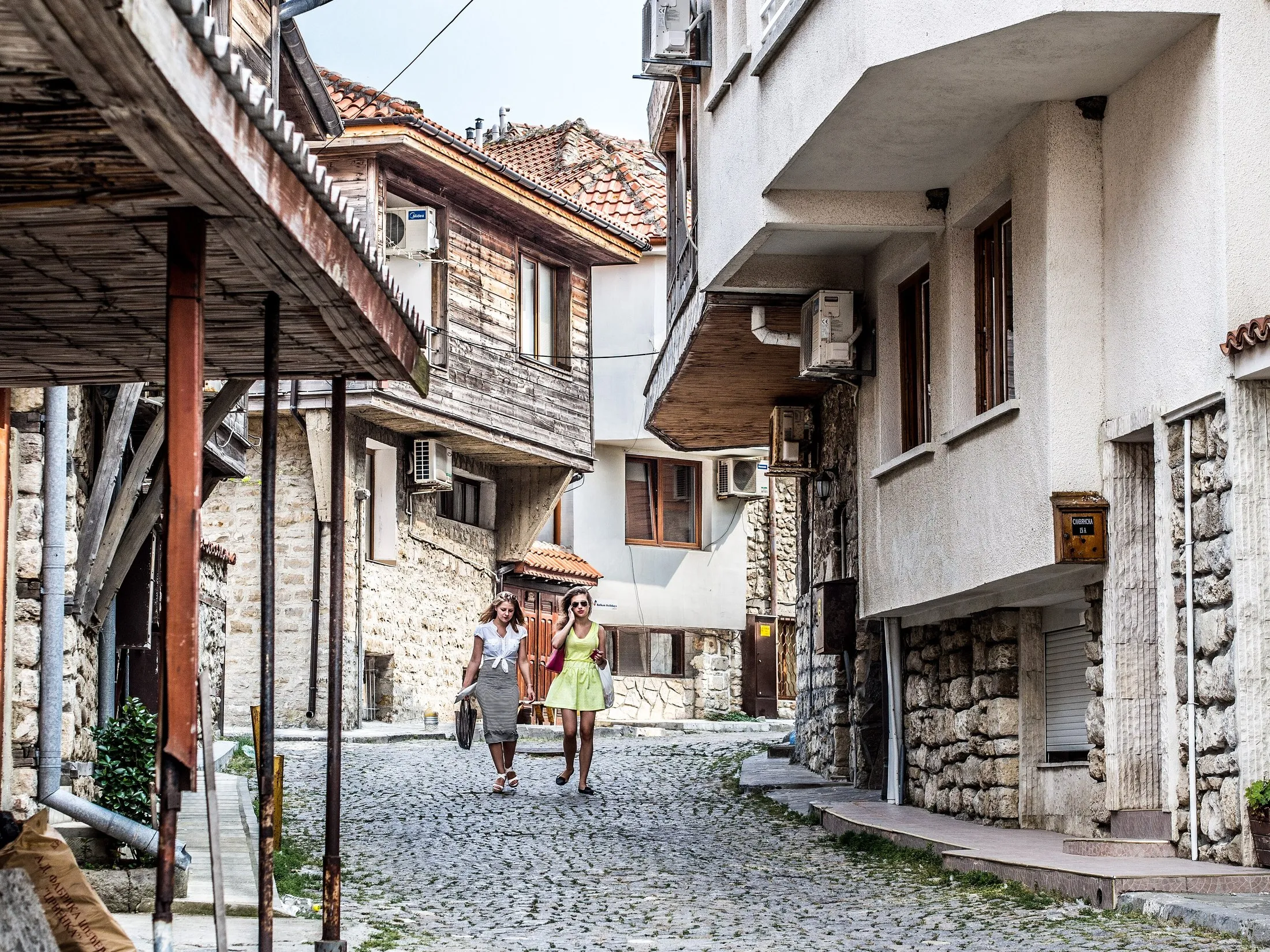
The most reliable piece of advice is still geographic. Cross the main road, walk a couple of streets back, or get out of the resort entirely. Nessebar old town, the newer part of Nessebar, and Sveti Vlas all have kitchens that cook for a wider mix of people than the Sunny Beach strip. They also have tourist restaurants of their own, especially around the old-town gates, so the same menu test still applies.
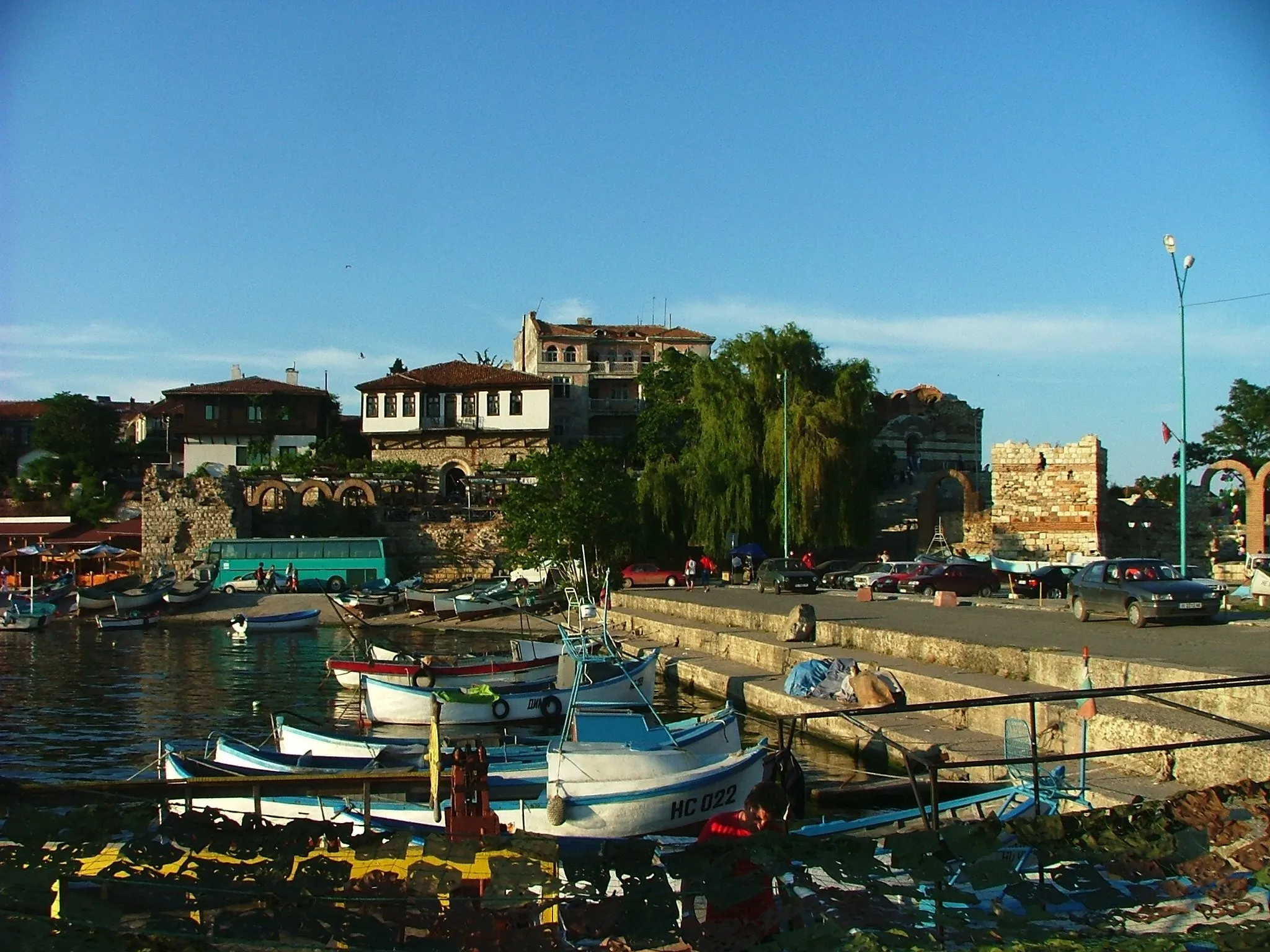
The harbour at Nessebar is a reminder that this is still a fishing coast, even if much of what is served on the promenade could have come from a lorry. A kitchen that can tell you what the fish is, and roughly when it came in, is usually a better bet than one that can only tell you it is “fresh”.
Markets and bakeries are the other half of this. A morning banitsa, some fruit, a piece of cheese, and a meal you cook yourself will often beat a mediocre seafront dinner, for less money. [To verify] which market days and bakeries we are happy to name.
Prices, when we have them
We are not going to invent a “typical bill” and hope it is close. A shopska, a grill and a drink can be modest, or it can be a seafront price with the same words on the menu. The difference is large enough that a made-up average would be misleading. [To verify]
The next version of this guide should have a short list: a handful of places, a few dishes, and a price next to each one. Until then, use the tests above, walk away from a menu without numbers, and eat one proper Bulgarian meal that did not have to be fetched from the pavement.